

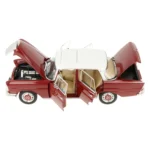
Norev Mercedes-Benz 220 S W111 (1959-1965) | 1:18 Scale | Middle Red
AED 930.00
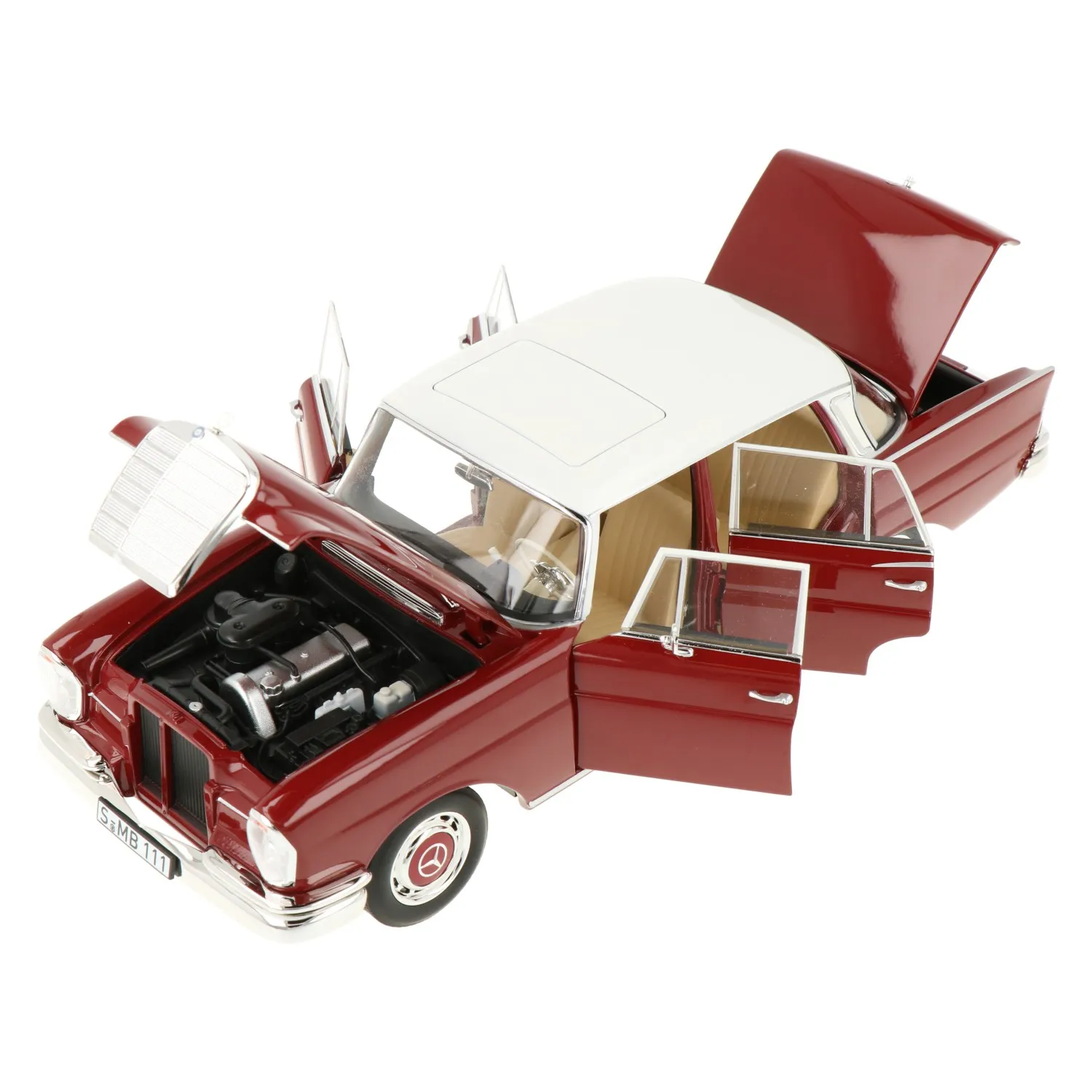
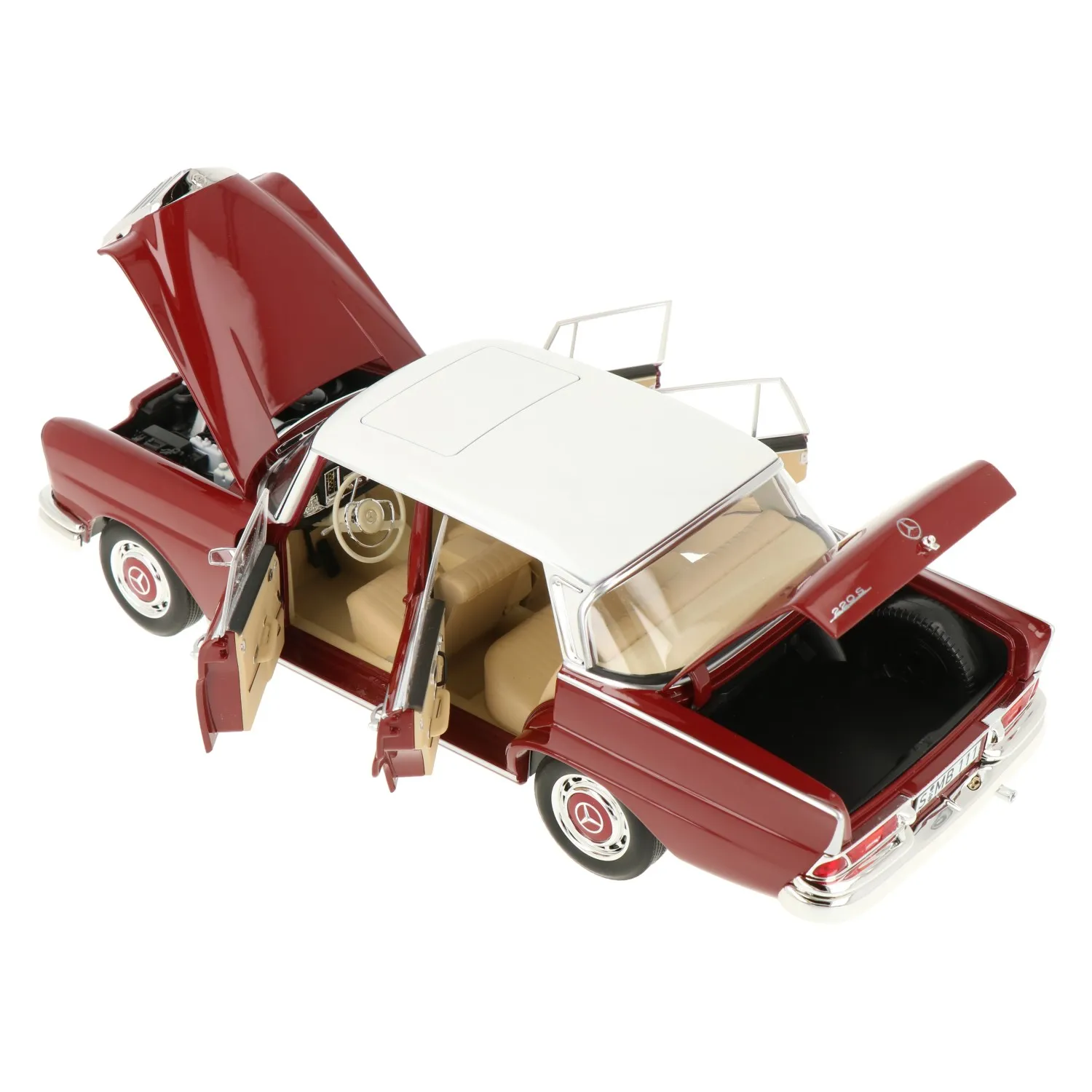
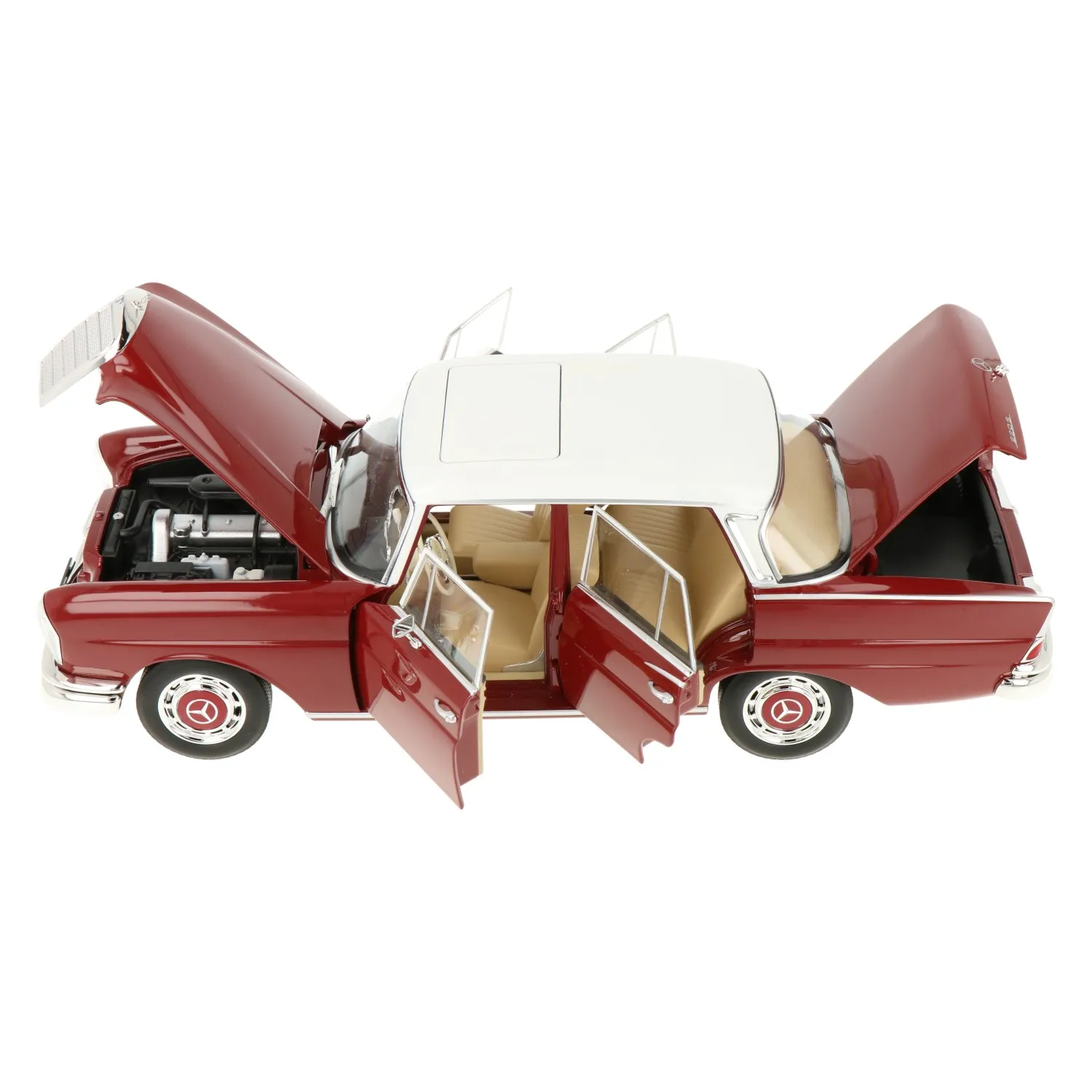
The Norev Mercedes-Benz 220 S W111 (1959-1965) in warm and richly evocative Middle Red is a premium 1:18 scale diecast model faithfully capturing every elegant, gracefully styled, and historically significant detail of one of the most beloved, most nostalgically cherished, and most passionately collected classic German luxury saloons in the entire history of Mercedes-Benz — the legendary W111 Fintail in its most refined and most comprehensively equipped 220 S Sonderklasse specification. Crafted to Norev’s exceptional European collector-grade diecast standards with precise dimensional accuracy, authentic period-correct fintail design detailing, and a beautifully warm and deeply rich Middle Red finish, this outstanding model is an essential acquisition for Mercedes-Benz W111 devotees, classic German luxury car collectors, and serious diecast aficionados worldwide.
1 in stock
In the magnificent and extraordinarily rich history of Mercedes-Benz — a history that spans more than a century of continuous automotive achievement, engineering innovation, and the creation of some of the most beautiful, most technically accomplished, and most enduringly significant luxury automobiles ever produced anywhere in the world — there exists a particular generation of cars that holds a place of unique, irreplaceable, and deeply affectionate significance in the hearts and memories of automotive historians, classic car enthusiasts, and Mercedes-Benz devotees worldwide. That generation is the legendary Mercedes-Benz W111 series — and Norev has honored the magnificent 220 S variant of this beloved and historically precious German classic in a breathtaking 1:18 scale diecast masterpiece presented in a warm, distinctive, and deeply evocative Middle Red finish that clothes the W111’s gracefully proportioned and timelessly elegant fintail body in a color of such authentic period character, such genuinely beautiful warmth, and such completely compelling collector appeal that it creates a model of extraordinary beauty, genuine historical significance, and outstanding Norev manufacturing quality that demands a place of absolute prominence and complete honor in the collection of every serious Mercedes-Benz enthusiast, classic German car collector, and premium diecast aficionado worldwide.
The Mercedes-Benz W111 series — produced from 1959 to 1968 and representing one of the most important, most technically accomplished, and most culturally significant chapters in the entire postwar history of Mercedes-Benz as a manufacturer — was the car with which Mercedes-Benz made their most complete, most confident, and most comprehensively realized statement of restored German automotive supremacy following the devastation and destruction of the Second World War. When the W111 was introduced to the world at the 1959 Frankfurt Motor Show — then as now one of the most important and most eagerly anticipated automotive showcases on the global calendar — it arrived not as a tentative or cautious step forward from a manufacturer still finding its postwar footing, but as a bold, confident, and completely resolved declaration of German automotive mastery that announced to the entire world with unmistakable clarity that Mercedes-Benz had not merely survived the challenges of the postwar reconstruction period but had emerged from it stronger, more creative, and more completely committed to automotive excellence than ever before in their long and distinguished history.
The 220 S — the “S” designating “Sonderklasse”, or “Special Class” in German — represented the most refined, most comprehensively equipped, and most completely finished expression of the W111 platform in the standard body range, offering buyers the full breadth and depth of Mercedes-Benz’s engineering excellence and luxury craftsmanship in a package of such complete and authentic premium automotive quality that it immediately established itself as the definitive choice for the most discerning and most demanding luxury car buyers of the early 1960s across Europe and worldwide. The 220 S designation carried with it not merely a higher level of standard equipment and more comprehensive luxury appointments — though both were genuinely impressive and genuinely comprehensive by the standards of the era — but a more refined version of Mercedes-Benz’s smooth, refined, and characterful 2.2-litre inline-six engine in its carbureted “S” specification, delivering performance of genuine adequacy and authentic Mercedes-Benz character that perfectly complemented the car’s sophisticated, aristocratic, and completely cultivated grand touring personality.
The W111’s design — created under the direction of the legendary Paul Bracq and executed by the brilliant designers and craftspeople of Mercedes-Benz’s Sindelfingen coachbuilding and design facility — is one of the defining masterpieces of European automotive design in the entire postwar era, and a work of such complete stylistic accomplishment and such enduring visual beauty that it continues to astonish, captivate, and inspire everyone who encounters it with the same power and the same immediacy that it possessed when it first appeared on the world stage in 1959. The W111’s most immediately distinctive and most universally recognized visual signature is its famous and beloved “fintail” rear treatment — the gentle, gracefully integrated, and perfectly proportioned tail fins that rise from the rear wings with a confidence and an elegance that transforms what might in less skilled hands have been a merely decorative period styling element into a genuine and completely integral part of the car’s overall design language, adding visual drama, aerodynamic purpose, and a note of distinctly American-influenced design flair that is perfectly and brilliantly filtered through the lens of Mercedes-Benz’s characteristic German discipline, restraint, and commitment to resolved, uncluttered, and enduringly correct automotive form.
Beyond the famous fintails, the W111’s design is a masterclass in the art of creating a body of completely harmonious, completely balanced, and completely satisfying proportions — a body in which every surface, every line, and every detail is precisely and purposefully resolved in service of an overall aesthetic impression of aristocratic, cultivated, and genuinely beautiful German automotive sophistication that speaks immediately and powerfully of quality, of confidence, and of the kind of completely unself-conscious automotive excellence that does not need to announce itself because its presence is simply and completely self-evident to anyone with the taste and the knowledge to recognize it. The 220 S W111 is, in every dimension of its beautifully resolved design, precisely this kind of car — and it is precisely this quality of quiet, confident, and completely authentic automotive beauty that has made the W111 series one of the most beloved, most nostalgically cherished, and most passionately collected classic Mercedes-Benz generations in the entire history of the brand.
The production period of 1959 to 1965 for the 220 S encompasses the most celebrated and most historically important years of the W111’s long and distinguished production run — the years in which the car was at its most commercially successful, its most culturally visible, and its most completely representative of the extraordinary ambitions and achievements of Mercedes-Benz at one of the most creatively fertile and most historically significant moments in their entire postwar history. This is the car as it appeared on the roads of Europe and the world during one of the most exciting and most transformative decades in the entire history of the automobile — the 1960s golden era of European automotive design and engineering — and it is the car as it is most vividly and most nostalgically remembered and most deeply cherished by the generation of enthusiasts for whom this decade represented the most exciting, the most beautiful, and the most creatively extraordinary period in the entire story of the motor car.
In Middle Red — a color of such warm, rich, and beautifully authentic period character that it seems to have been conceived specifically and deliberately for the W111’s gracefully styled and elegantly resolved body — the Mercedes-Benz 220 S W111 achieves a visual statement of such completely compelling, such warmly nostalgic, and such deeply satisfying beauty that it is impossible to look at this model without feeling the full emotional power and the complete aesthetic pleasure of one of the finest and most beautiful classic German luxury cars ever produced, rendered in one of the most perfectly appropriate and most visually gratifying colors it has ever worn. Middle Red on the W111’s beautifully proportioned body — flowing from the precisely styled front fascia across the long, elegantly curved bonnet, along the gracefully resolved roofline, and resolving in the distinctive fintail rear treatment — creates an impression of warm, confident, and completely authentic classic Mercedes-Benz elegance that is as immediately compelling and as deeply emotionally satisfying today as it was when the first Middle Red W111 saloons appeared on the roads of Germany and Europe in the early 1960s. Norev has rendered this Middle Red finish with the extraordinary depth, warmth, and surface quality that their decades of European diecast manufacturing expertise enables — a Middle Red of such richness, such authenticity, and such genuine period-correct character that it captures the full nostalgic beauty and warm automotive personality of the real car’s most characterful and most evocative color with breathtaking fidelity and deeply satisfying completeness.
Norev — one of France’s most celebrated, most respected, and most trusted premium diecast manufacturers, with a history of European automotive model production spanning more than seven decades — brings their full depth of European automotive cultural knowledge, their exceptional attention to dimensional accuracy and period-correct detail, and their genuine and authentic passion for the classic European luxury cars they reproduce to this Mercedes-Benz 220 S W111 with results of outstanding quality and deep historical significance. Norev’s long and distinguished history of producing exceptional models of classic European automotive subjects — built on decades of manufacturing expertise, a deep respect for European automotive heritage, and the authentic passion of a manufacturer with genuine European cultural roots — is fully and powerfully evident in every aspect of this W111 220 S release. From the precisely reproduced fintail body treatment and the correctly detailed Mercedes-Benz chrome trim and badging to the meticulously appointed period-correct interior, the accurately scaled period-authentic wheels, and the overall dimensional accuracy and commanding classic Mercedes-Benz presence that makes this model an immediate, unmistakable, and deeply authoritative representation of one of the most beloved and most historically significant German luxury cars of the entire 1960s golden era.
Whether you are a devoted Mercedes-Benz W111 collector and enthusiast for whom the 220 S represents the most personally meaningful, most deeply cherished, and most nostalgically treasured expression of classic Mercedes-Benz luxury and design excellence, a passionate admirer of Paul Bracq’s magnificent W111 design and the broader legacy of classic German automotive styling achievement of the late 1950s and early 1960s, a dedicated Norev collector pursuing their finest and most significant classic Mercedes-Benz European releases, or a serious premium diecast collector who recognizes immediately the exceptional historical importance, design magnificence, and collector value of a beautifully crafted Middle Red Mercedes-Benz 220 S W111 from one of Europe’s most respected and most trusted diecast manufacturers, the Norev Mercedes-Benz 220 S W111 in Middle Red is a model of the very highest possible collector importance, historical significance, and emotional resonance. This is one of the most beautiful and most beloved classic Mercedes-Benz saloons ever produced — in one of its most warm, most characterful, and most deeply evocative period colors — produced by a manufacturer fully worthy of the subject’s extraordinary legacy. Secure yours today.
Product Specification
- Model Name: Mercedes-Benz 220 S W111 — 1959 to 1965
- Scale: 1:18
- Manufacturer: Norev
- Product Type: Diecast Model Car
- Colour: Middle Red
- Body Style: Classic Four-Door Luxury Saloon — Fintail Design
- Internal Designation: W111
- Variant: 220 S — Sonderklasse Special Class Specification
- Production Years Represented: 1959 — 1965
- Engine Reference: 2.2-Litre Inline-Six — Carbureted S Specification
- Design Heritage: Paul Bracq — Mercedes-Benz Sindelfingen Design Facility
- Key Design Feature: Iconic Fintail Rear Treatment — W111 Signature Element
- Key Features Reproduced: Fintail Body Styling, Chrome Trim & Badging, Sonderklasse Interior Appointments, Period-Correct Wheels, Mercedes-Benz Star Grille, Authentic W111 Proportions
- Historical Significance: Mercedes-Benz’s Landmark Postwar Luxury Saloon — W111 Fintail Generation Icon
- Packaging: Collector’s Edition Box
| Size | 1/18 |
|---|---|
| Manufacturer | Norev |
| Color | Red |