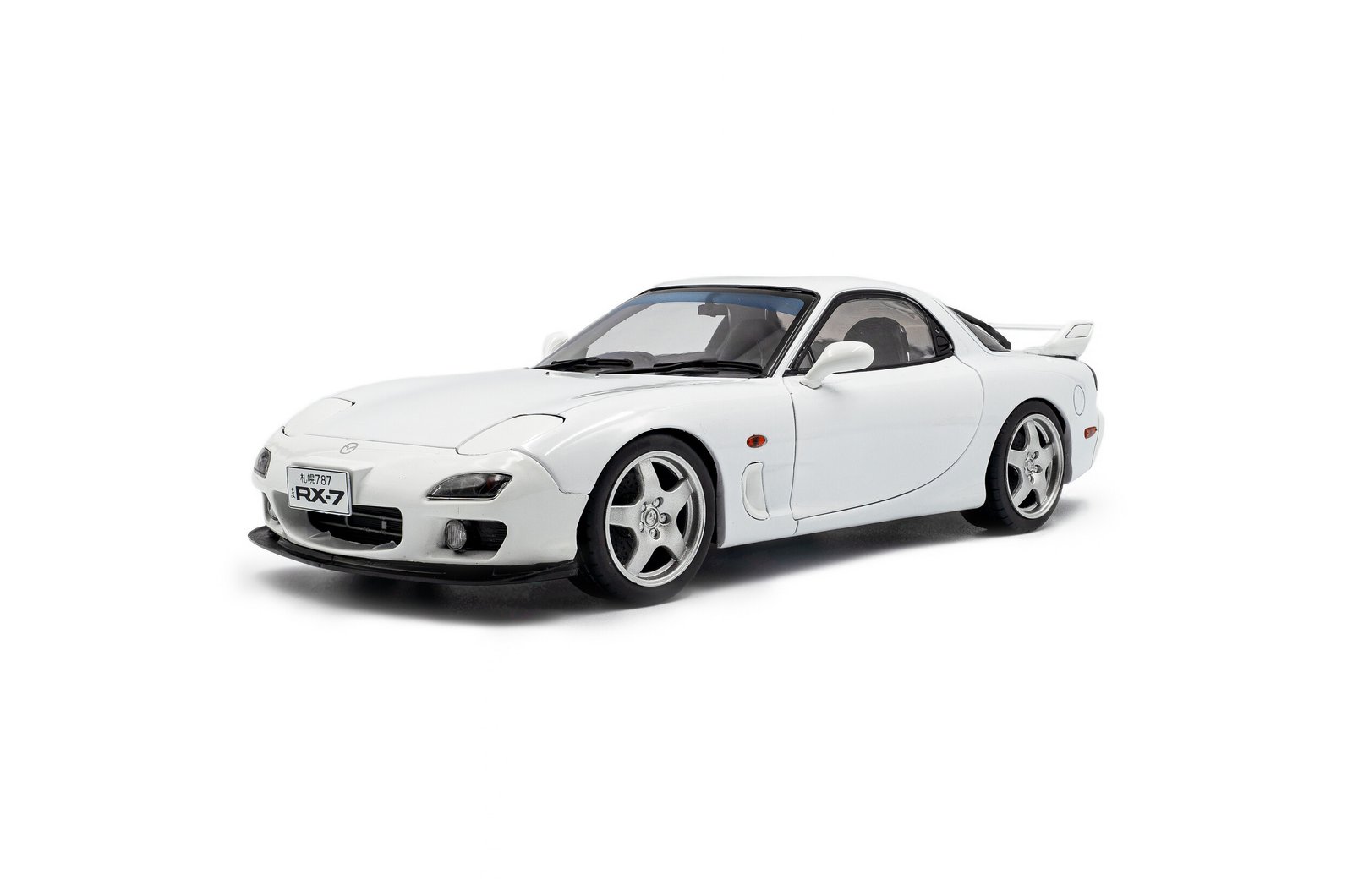
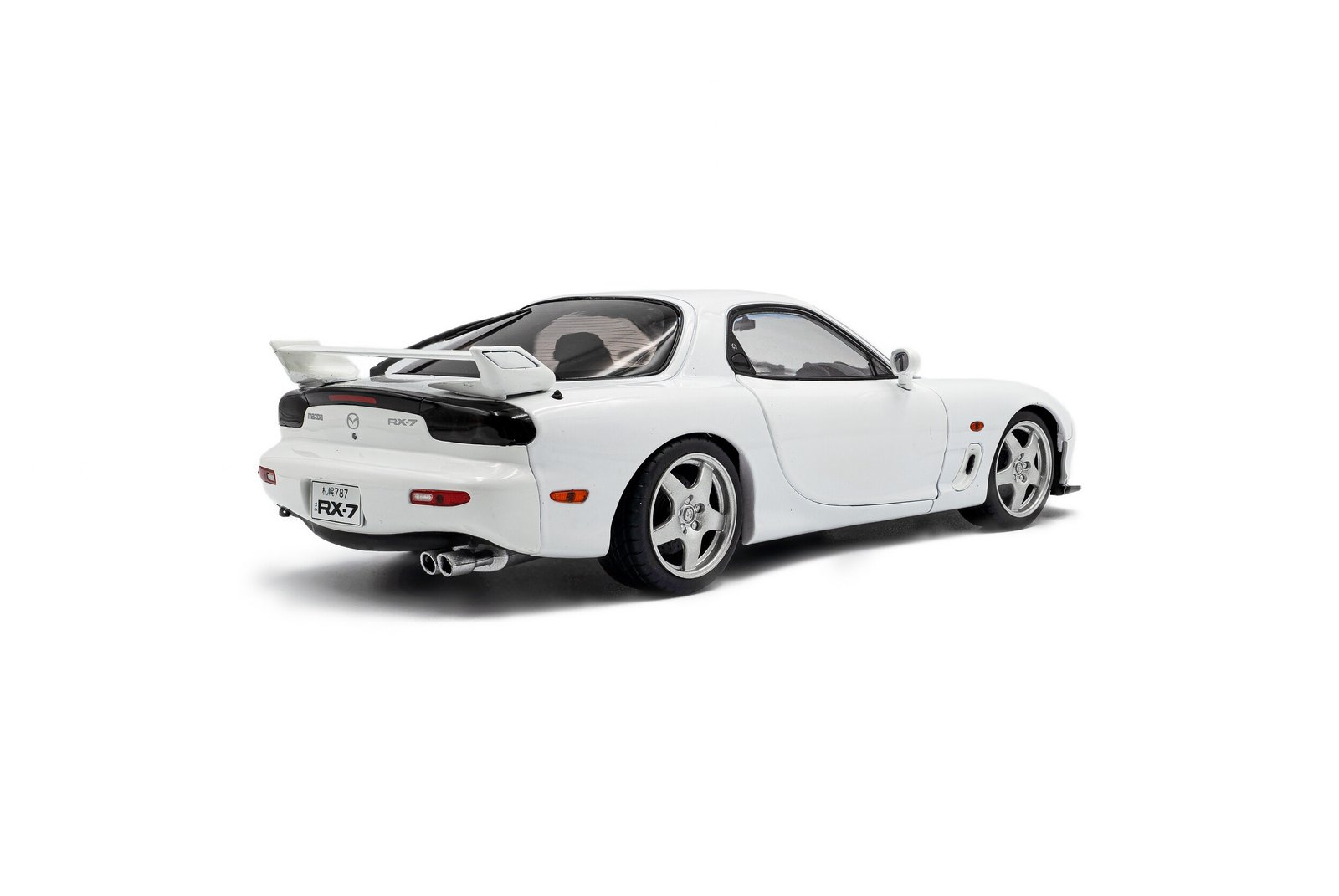
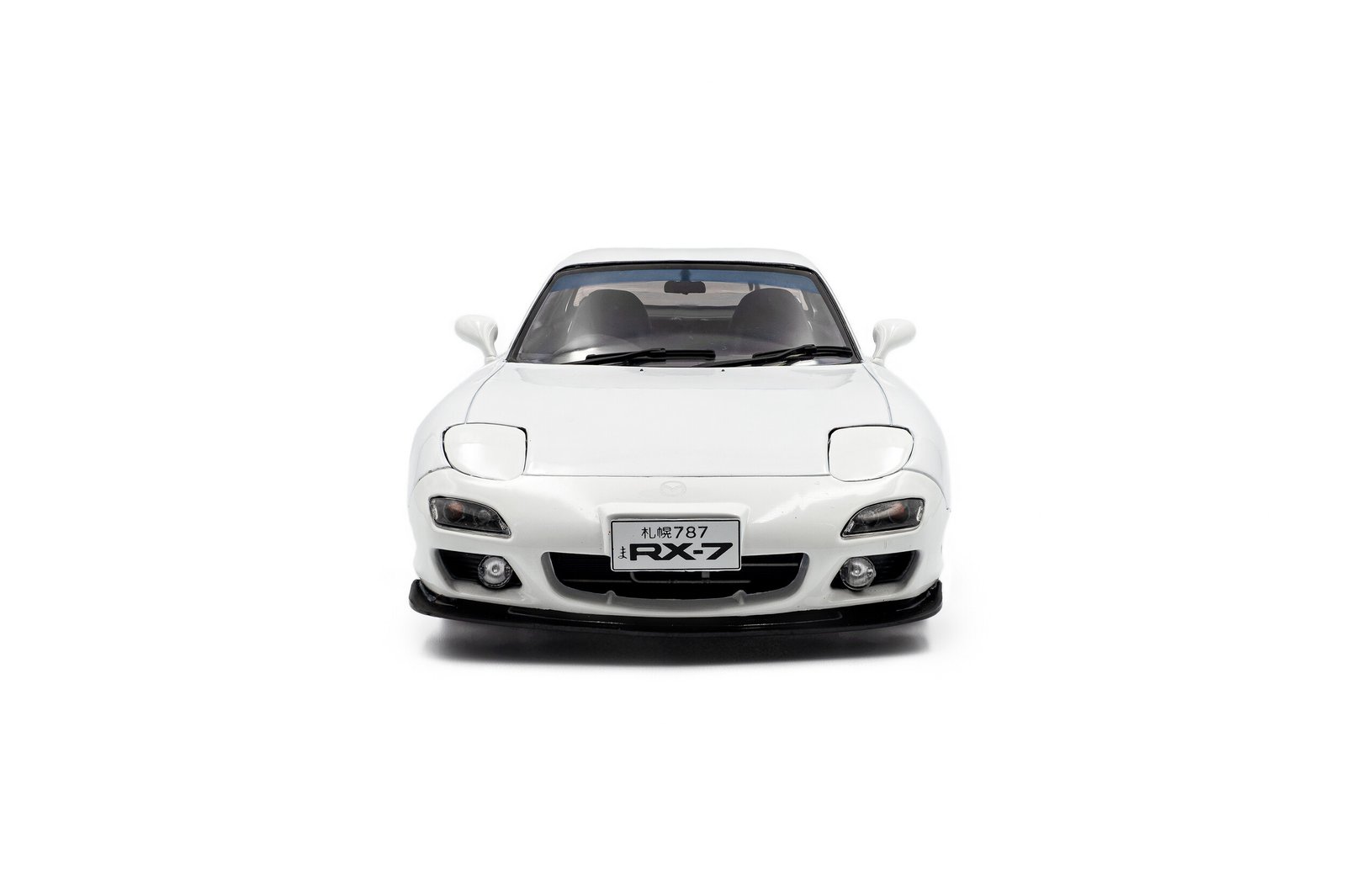
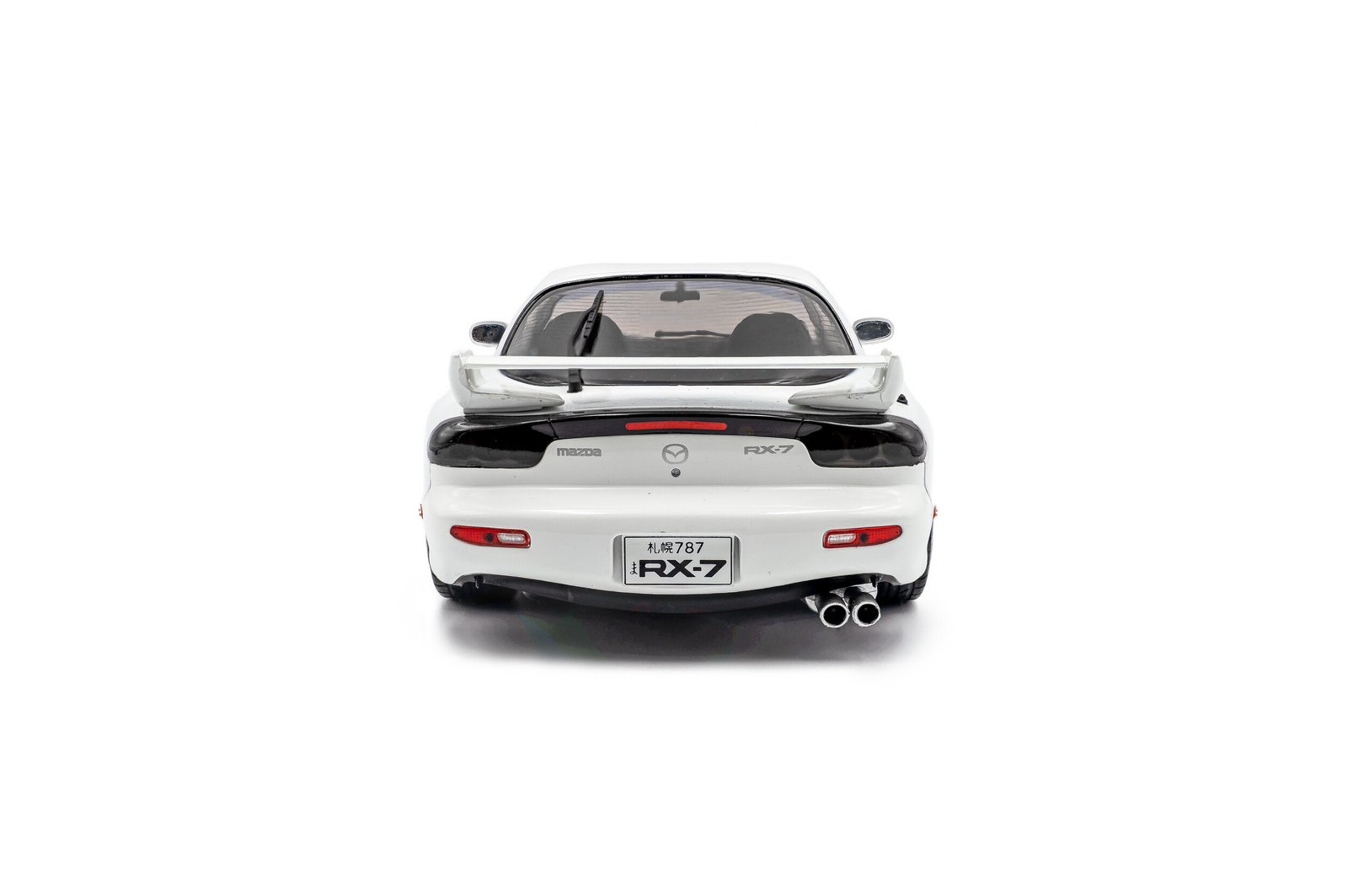

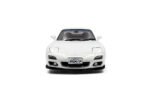
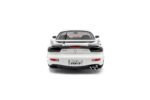
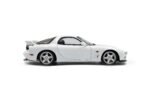
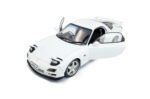
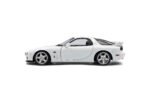

Solido 1999 Mazda RX-7 Coupe (FD3S) | 1:18 Scale | White
د.أ 390.00
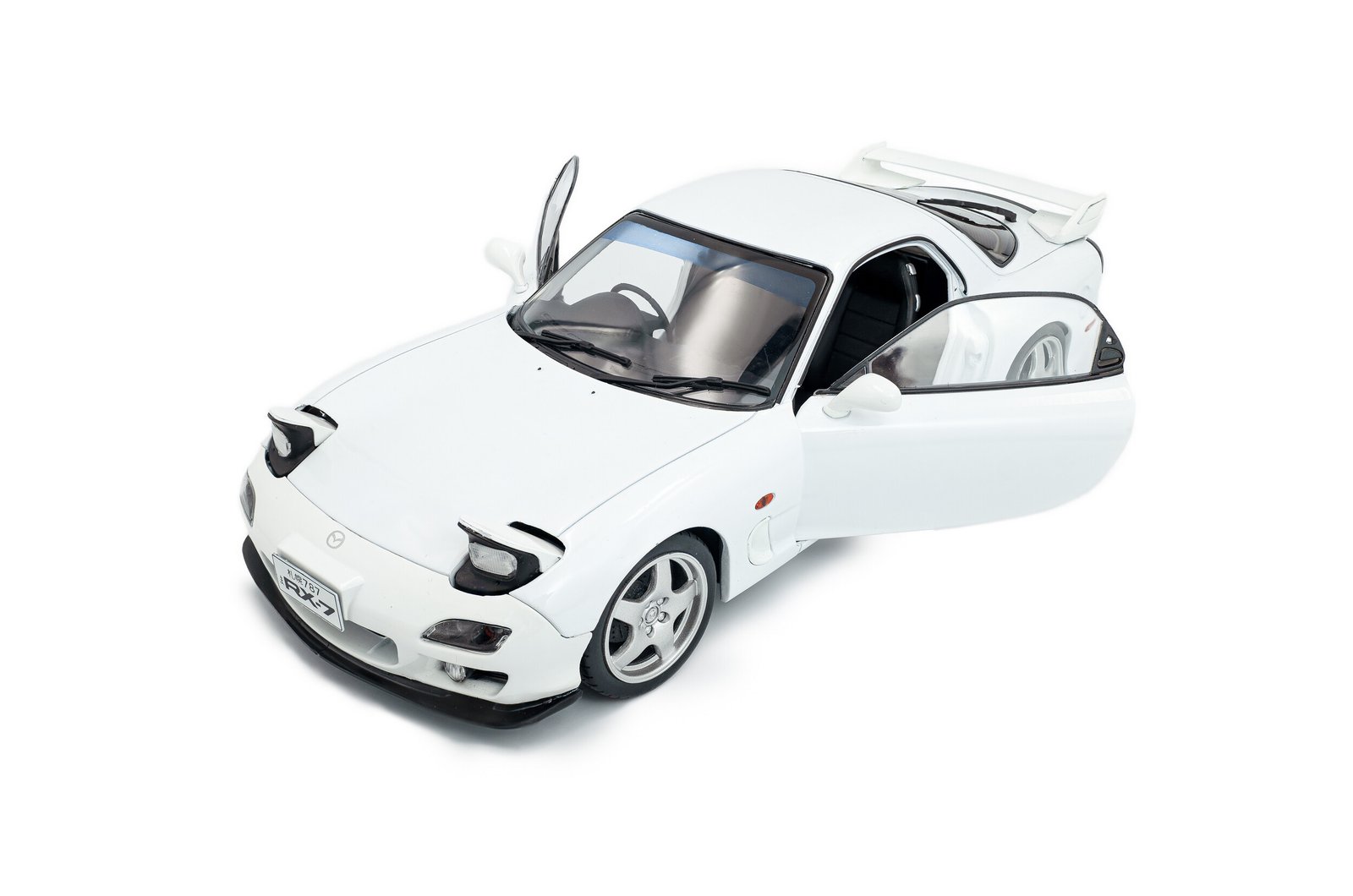
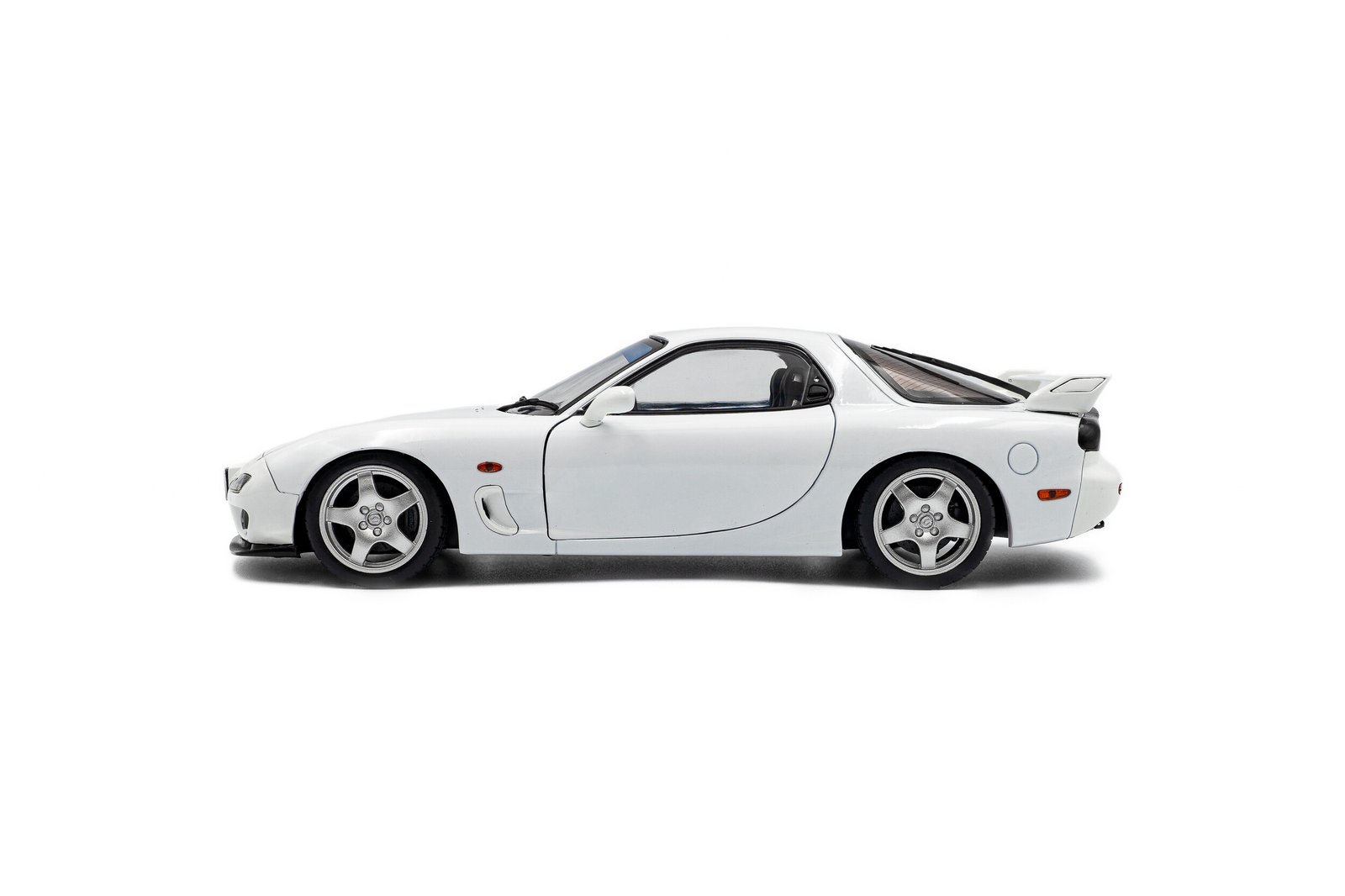
The Solido 1999 Mazda RX-7 Coupe (FD3S) in pure and luminous White is a premium 1:18 scale diecast model faithfully capturing every organically beautiful, sensuously curved, and technically extraordinary detail of the most beloved, the most aesthetically perfect, and the most genuinely significant classic Japanese rotary sports car ever produced — the legendary Mazda RX-7 FD3S with its iconic 13B-REW twin-turbo rotary engine, its celebrated 50/50 weight distribution chassis, and its universally acknowledged status as the most beautiful Japanese sports car design ever created. Crafted to Solido’s exceptional French collector-grade diecast standards with precise dimensional accuracy, authentic FD3S specification detailing, and a beautifully pure and luminous White finish, this outstanding model is an essential acquisition for Mazda RX-7 devotees, classic JDM sports car collectors, and serious diecast aficionados worldwide.
1 متوفر في المخزون
In the entire and magnificent universe of Japanese domestic market sports car culture — a universe of such extraordinary creativity, such genuine engineering passion, and such completely and permanently compelling automotive achievement that it has produced some of the most beloved, the most technically celebrated, and the most deeply personally significant performance cars in the entire history of the automobile — there exists one car that stands apart from all others not through the sheer magnitude of its power figures, not through the extremity of its performance statistics, and not through the overwhelming drama of its visual presence — but through a combination of engineering uniqueness, aesthetic perfection, and completely authentic driving purity so rare, so genuinely extraordinary, and so permanently and unconditionally admired by the most knowledgeable, the most experienced, and the most completely devoted sports car enthusiasts worldwide that it has achieved a status of absolute and uncontested reverence in the global automotive collecting community that no other Japanese sports car of its era has ever quite equaled in the same completeness and the same permanence. That car is the Mazda RX-7 FD3S — and Solido has honored this most beloved, most technically extraordinary, and most permanently significant of all classic Japanese sports cars in a breathtaking 1:18 scale diecast model presented in the most pure, the most elegant, and the most completely and perfectly appropriate color for this most beautiful and most timelessly graceful of all Japanese sports coupes — a clean, luminous, and magnificently pristine White — creating a collector’s model of such extraordinary beauty, such genuine Japanese automotive cultural significance, and such outstanding Solido manufacturing quality that it stands as one of the most important, the most visually beautiful, and the most completely essential classic Japanese sports car diecast releases available to collectors anywhere in the world today.
The Mazda RX-7 story — the story of Mazda’s most celebrated, most technically ambitious, and most completely dedicated sports car — is one of the most fascinating, the most genuinely unique, and the most completely admirable in the entire history of the Japanese automotive industry. It is the story of a manufacturer’s complete and utterly unwavering commitment to a technology — the Wankel rotary engine — that every other manufacturer in the world had abandoned, dismissed, or never seriously pursued, and of the extraordinary lengths to which Mazda was willing to go, the engineering resources they were prepared to invest, and the competitive risks they were completely willing to accept in order to develop that technology to its absolute maximum potential and to produce from it a sports car of such genuine and complete engineering excellence that it would justify not merely the technology but the entire philosophy of innovative, unconventional, and completely authentic engineering that the rotary engine represented in Mazda’s identity and in the broader story of their remarkable and completely individual automotive vision.
The FD3S — the third and the most magnificent, the most technically accomplished, and the most completely and permanently significant generation of the RX-7, produced from 1991 to 2002 — represented the absolute culmination and the most complete realization of everything that Mazda had been developing, refining, and perfecting across two previous generations of RX-7 production and across more than two decades of continuous rotary engine development and technical evolution. The FD3S was from its very first appearance at the 1991 Tokyo Motor Show immediately and universally recognized as one of the most significant, the most technically impressive, and the most completely beautiful new Japanese sports cars in a generation — a car whose combination of genuinely revolutionary rotary engineering, breathtakingly beautiful Mazda and Ital Design-influenced body styling, and completely authentic sports car character of such purity, such directness, and such genuinely rewarding driving engagement that even the most experienced and the most demanding sports car journalists and enthusiasts in the world were left with an immediate and unambiguous verdict — the FD3S RX-7 was not merely a great Japanese sports car. It was one of the great sports cars of any era, any nationality, and any technical tradition.
The 1999 model year of this Solido release captures the Mazda RX-7 FD3S at a particularly significant and deeply meaningful moment in the car’s production history — the late production years of the most developed, the most comprehensively refined, and the most completely accomplished FD3S specification, when the car had benefited from nearly a decade of continuous engineering development, customer feedback, and real-world refinement that had brought the RX-7’s already exceptional overall specification to its most completely mature, its most thoroughly polished, and its most genuinely and completely satisfying overall expression. The 1999 RX-7 is the FD3S at its most developed — the rotary sports car legend in the form that its most devoted and its most knowledgeable admirers regard as definitively, completely, and permanently the finest, the most satisfying, and the most genuinely excellent expression of the entire FD3S concept across its remarkable eleven-year production run.
At the heart of the 1999 RX-7 FD3S beats the most celebrated, the most technically extraordinary, and the most completely unique powerplant in the entire history of the Japanese sports car — the magnificent 13B-REW twin-rotor twin-turbocharged Wankel rotary engine that produces 280 horsepower in Japanese domestic market specification through a sequential twin-turbocharger system of such clever, such sophisticated, and such genuinely effective engineering design that it virtually eliminates the turbo lag that had characterized previous turbocharged rotary applications and delivers instead a power band of such smooth, such progressive, and such completely addictive character that it is utterly unlike any other turbocharged performance engine experience available from any other sports car of its era, regardless of origin, price, or engineering philosophy. The 13B-REW’s power delivery — the smooth, linear, and increasingly intense build of rotary torque through the rev range, culminating in the dramatic and completely addictive surge of full twin-turbo boost in the upper reaches of the engine’s remarkably extended power band — creates a driving experience of such complete and genuinely extraordinary sensory richness, such authentic and completely unforgettable mechanical character, and such genuinely and permanently addictive driving engagement that every driver who has experienced it firsthand describes it in the same terms — as one of the most uniquely exciting, the most completely distinctive, and the most genuinely irreplaceable engine experiences in the entire world of Japanese performance car driving.
The FD3S’s chassis — one of the most celebrated and the most completely acclaimed handling chassis in the entire history of the Japanese sports car — is a masterwork of sports car engineering of the highest order. The RX-7’s perfectly balanced 50/50 front-to-rear weight distribution — achieved through the revolutionary placement of every major heavy component as low and as centrally as possible in the car’s body structure, and through the innovative use of the rotary engine’s compact dimensions to position the powerplant entirely within the front axle line in a genuinely front-mid-engined configuration of such engineering purity and such complete dynamic advantage that it gave the car a fundamental handling balance of such genuine excellence that every subsequent generation of sports car engineer has acknowledged it as one of the most successfully realized and the most genuinely impressive weight distribution achievements in the history of the production sports car. This perfect weight distribution, combined with the FD3S’s precisely tuned double wishbone suspension at both ends, its precisely calibrated steering geometry, and its beautifully resolved overall chassis balance, created a car of such complete and overwhelming handling purity, such genuine and completely direct driver communication, and such absolutely authentic sports car driving engagement that the most experienced driving journalists worldwide — people who had driven virtually every significant sports car produced by any manufacturer in any country — described it without exception as one of the finest, the most pure, and the most genuinely rewarding handling experiences they had ever encountered in any production sports car from any manufacturer at any price.
The design of the Mazda RX-7 FD3S — created by Yoichi Sato and his team at Mazda’s design department and executed with the influence and the creative input of Ital Design founder Giorgetto Giugiaro whose aesthetic sensibility is clearly and beautifully evident in the FD3S’s most characteristic and most universally admired visual features — is universally and consistently regarded as one of the most beautiful, the most organically resolved, and the most completely timeless Japanese sports car body designs ever produced. The FD3S’s sensuously curved and elegantly flowing body — with its dramatically low front hood that flows seamlessly and without interruption from the distinctive RX-7 nose treatment across the perfectly curved bonnet surface and up through the beautifully resolved windscreen, its gracefully arching roofline that flows with complete organic continuity from the windscreen to the distinctive and immediately recognizable flying buttress C-pillar treatment, its muscular yet perfectly resolved rear haunches, and its overall impression of organic, flowing, and completely natural aerodynamic beauty that seems to have been shaped not by human designers but by the wind itself — creates a vehicle of such genuine and enduring visual perfection that it has never dated, never become less beautiful, and never lost even the slightest part of its power to astonish, to captivate, and to inspire genuine and unconditional automotive admiration in everyone who encounters it.
In White — pure, clean, and magnificently luminous against the FD3S’s sensuously curved and organically resolved body — the 1999 Mazda RX-7 FD3S achieves a visual statement of such complete and overwhelming aesthetic beauty, such pure and clean Japanese sports car elegance, and such genuinely and permanently satisfying visual perfection that it is quite simply impossible to look at this model without feeling immediately and completely the full beauty, the complete elegance, and the genuine and unconditional aesthetic excellence of what is almost universally acknowledged as the most beautiful Japanese sports car ever designed. White on the FD3S’s flowing, organic, and perfectly resolved body — illuminating every curve, celebrating every surface transition, and revealing the full depth and the complete sophistication of Yoichi Sato’s magnificent design with a clarity and a purity that no darker color could equal — creates an impression of such complete and overwhelming Japanese sports car beauty that it is the most pure, the most elegant, and the most completely perfect color presentation for this most pure, the most elegant, and the most completely perfect of all Japanese sports car designs. Solido has rendered this White finish with the quality, the luminosity, and the surface excellence that their manufacturing expertise enables — a White of such genuine purity, such authentic period-correct character, and such completely satisfying visual elegance that it captures the full beauty and the complete perfection of the real FD3S in this most classically appropriate color with genuine fidelity and deeply satisfying completeness.
Solido brings their considerable manufacturing expertise, their genuine automotive and motorsport passion, and their authentic commitment to dimensional accuracy and authentic detail reproduction to this 1999 Mazda RX-7 FD3S with results of outstanding quality and deeply satisfying collector significance. Every defining detail of the FD3S’s iconic design has been faithfully reproduced — from the precisely rendered flowing front hood and the distinctive RX-7 nose treatment to the beautifully resolved flying buttress C-pillar, the accurately detailed rear treatment, the correctly scaled period-authentic FD3S wheels, and the overall dimensional accuracy and genuine RX-7 character and presence that makes this model an immediate, unmistakable, and deeply satisfying representation of the most beautiful and the most beloved Japanese sports car ever built.
Product Specification
- Model Name: 1999 Mazda RX-7 Coupe (FD3S)
- Scale: 1:18
- Manufacturer: Solido
- Country of Manufacturer: France
- Product Type: Diecast Model Car
- Colour: White — Pure Luminous Finish
- Body Style: Two-Door Sports Coupe — Front-Mid Engined Configuration
- Internal Designation: FD3S — Third Generation Mazda RX-7
- Year of Vehicle Represented: 1999 — Late Production Most Developed Specification
- FD3S Production Years: 1991 — 2002
- Engine: 13B-REW — Twin-Rotor Twin-Turbocharged Wankel Rotary — 280 HP JDM Specification
- Turbocharger System: Sequential Twin-Turbo — Near Lag-Free Power Delivery
- Weight Distribution: Perfect 50/50 Front to Rear — Front-Mid Engine Layout
- Suspension: Double Wishbone — All Four Corners
- Design: Yoichi Sato — Mazda Design — Ital Design Influence
- Key Features Reproduced: Flowing Front Hood, Distinctive RX-7 Nose, Flying Buttress C-Pillar, Organic Rear Treatment, FD3S Interior Appointments, Period-Correct RX-7 Wheels, White Finish
- Historical Significance: Most Beautiful Japanese Sports Car Design — Most Technically Unique Japanese Sports Car — Rotary Engineering Masterpiece
- Display Ready: Yes
- Packaging: Collector’s Edition Box
| Size | 1/18 |
|---|---|
| Manufacturer | SOLIDO |
| Color | White |